
How Cold Exposure Can Affect Forensic Toxicology
Death from severe hypothermia can produce complex findings during a forensic examination. In some cases, blood analysis may show increased concentrations of acetone and isopropanol, even when there is no evidence of diabetes. One possible explanation is the body’s response to prolonged cold exposure. As the body runs out of available glucose, it may break […]
A Diplodocus in Europe? New Fossils Challenge the Map of Jurassic Dinosaurs
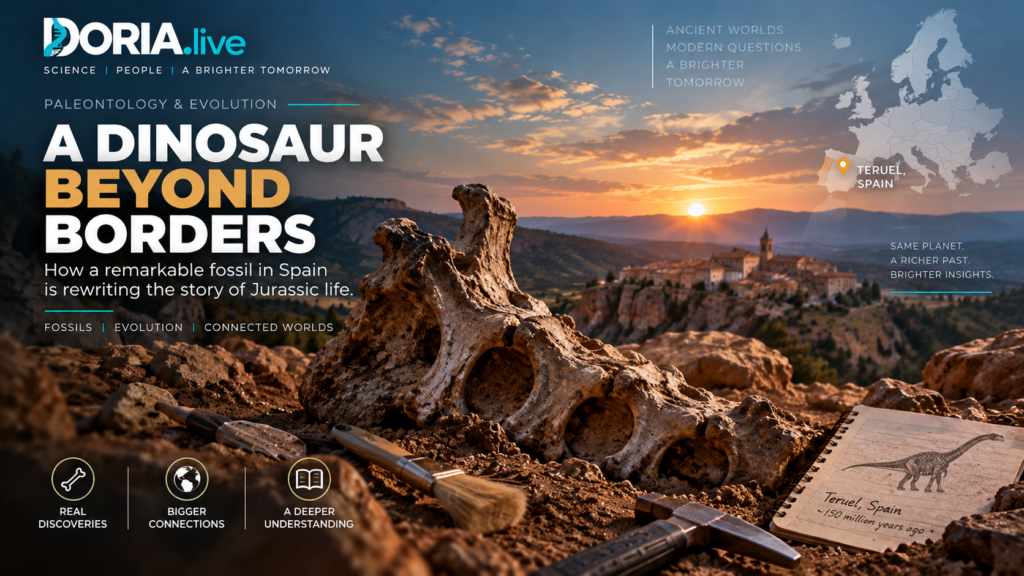
For more than a century, the iconic dinosaur Diplodocus has been associated primarily with the Late Jurassic landscapes of North America. Its long neck, enormous body and whip-like tail have made it one of the best-known sauropod dinosaurs. That geographical picture has now been challenged by a fossil discovery in eastern Spain. Researchers from the […]
Europe’s Rivers Are Becoming Saltier: A Growing Challenge for Freshwater Ecosystems
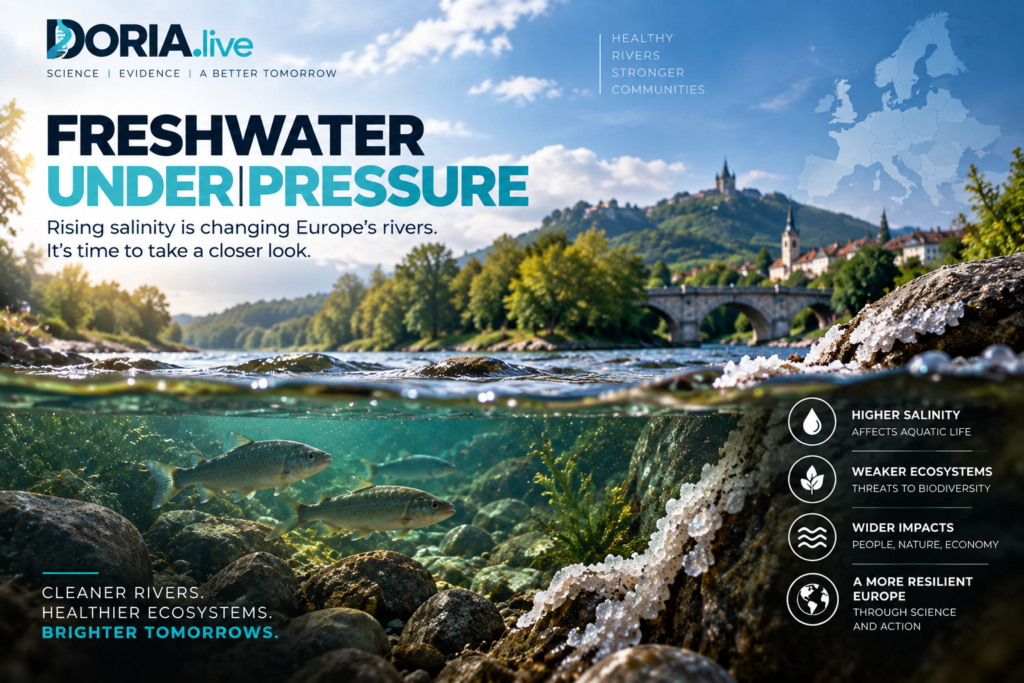
Freshwater ecosystems across Europe are facing a growing environmental challenge that is less visible than plastic pollution or algal blooms: increasing concentrations of salt in rivers. A recent study published in Nature Communications provides a continent-wide assessment of freshwater salinization in European rivers. Researchers used large-scale environmental data and machine-learning models to investigate changes in […]
Buried Evidence: How Soil and Time Affect Forensic DNA
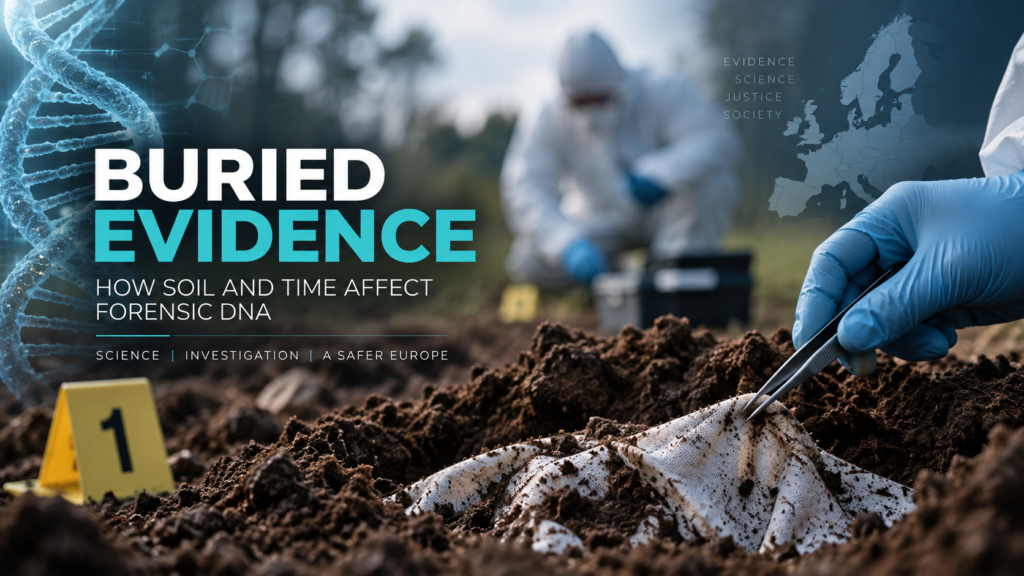
DNA evidence is one of the most valuable tools in modern forensic investigation. Biological material recovered from clothing, objects, or crime scenes can potentially help investigators establish connections between individuals and evidence. However, DNA does not remain unchanged indefinitely. Environmental conditions can affect both the amount of genetic material that survives and the quality of […]